
 Login
Login
 Inquiry



Japan Travel
The Charm of Japan



Japan Overview
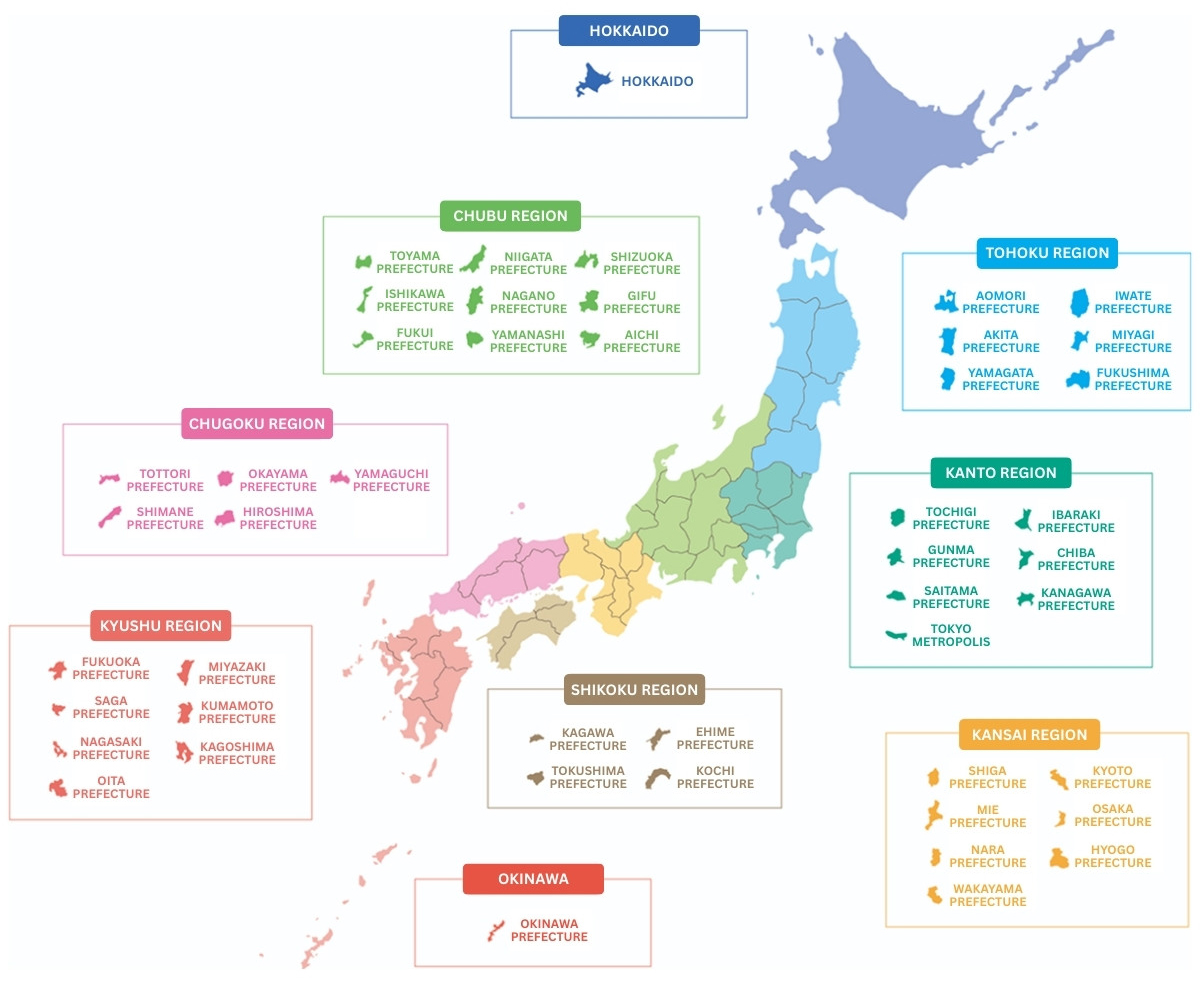
All of Japan's territory consists of islands.
It is an island nation consisting of 6,852 islands (5 main islands + 6,847 remote islands).
Located particularly to the east within Asia and East Asia, it is at the eastern end of Eurasia, and is also called the Far East or Orient by Western countries.
The overall shape is bow-like, with a total area of approximately 378,000 km² (the area over which the Japanese government claims sovereignty), ranking 61st in the world.
Approximately 70% of the land is mountainous, with a forest coverage rate of about 67%.
The territory in the northwestern Pacific consists of many islands centered on the Japanese archipelago made up of Honshu, Hokkaido, Kyushu, and Shikoku, extending south to the Izu and Ogasawara Islands, southwest to the Nansei Islands (including Okinawa Main Island), and northeast to the Northern Territories (Northern Islands), forming an arc-shaped archipelago as a whole.
It is an island nation consisting of 6,852 islands (5 main islands + 6,847 remote islands).
Located particularly to the east within Asia and East Asia, it is at the eastern end of Eurasia, and is also called the Far East or Orient by Western countries.
The overall shape is bow-like, with a total area of approximately 378,000 km² (the area over which the Japanese government claims sovereignty), ranking 61st in the world.
Approximately 70% of the land is mountainous, with a forest coverage rate of about 67%.
The territory in the northwestern Pacific consists of many islands centered on the Japanese archipelago made up of Honshu, Hokkaido, Kyushu, and Shikoku, extending south to the Izu and Ogasawara Islands, southwest to the Nansei Islands (including Okinawa Main Island), and northeast to the Northern Territories (Northern Islands), forming an arc-shaped archipelago as a whole.
Easternmost Point
Minamitorishima, Tokyo
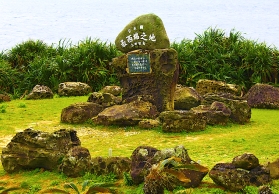
Westernmost Point
Yonaguni Island West Cape, Okinawa
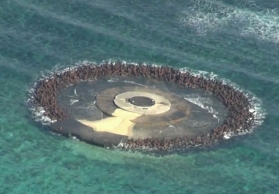
Southernmost Point
Okinotorishima, Tokyo
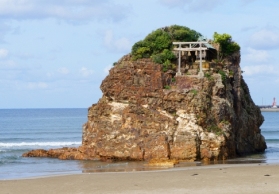
Northernmost Point
Benten Island, Hokkaido
Japan is surrounded by oceans such as the Pacific Ocean, Sea of Japan, East China Sea, Philippine Sea,
and Sea of Okhotsk.
The sea between Honshu and Shikoku is called the Seto Inland Sea. There are no land borders, and Japan's exclusive economic zone borders with Russia, North Korea, Taiwan, South Korea, China, the Philippines, and the United States. To the south lies the Republic of Palau, and along the extension of the Ogasawara Islands is the Federated States of Micronesia, with the American continent across the Pacific Ocean. The warm Kuroshio and Tsushima currents, and the cold Oyashio and Liman currents flow offshore.
The sea between Honshu and Shikoku is called the Seto Inland Sea. There are no land borders, and Japan's exclusive economic zone borders with Russia, North Korea, Taiwan, South Korea, China, the Philippines, and the United States. To the south lies the Republic of Palau, and along the extension of the Ogasawara Islands is the Federated States of Micronesia, with the American continent across the Pacific Ocean. The warm Kuroshio and Tsushima currents, and the cold Oyashio and Liman currents flow offshore.
Japanese Holidays
- January 1
- New Year's Day
- Second Monday of January
- Coming of Age Day ※Floating holiday
- February 11
- National Foundation Day
- February 23
- Emperor's Birthday
- Around March 21
- Vernal Equinox Day ※Floating holiday
- April 29
- Showa Day
- May 3
- Constitution Memorial Day
- May 4
- Greenery Day
- May 5
- Children's Day
- Third Monday of July
- Marine Day ※Floating holiday
- Third Monday of September
- Respect for the Aged Day ※Floating holiday
- Around September 23
- Autumnal Equinox Day ※Floating holiday
- Second Monday of October
- Health and Sports Day ※Floating holiday
- November 3
- Culture Day
- November 23
- Labor Thanksgiving Day
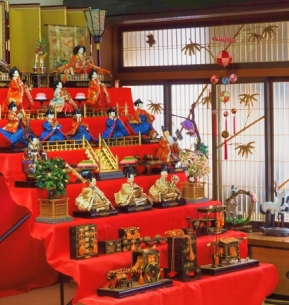
Hinamatsuri
A festival to pray for the happiness and growth of girls.
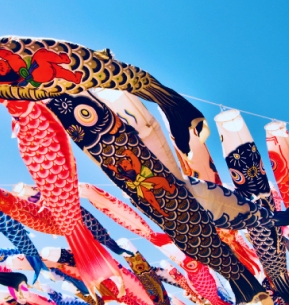
Koinobori
Carp streamers displayed in front of homes to wish for boys'
success and health
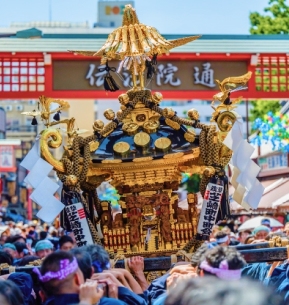
Sanja Festival
The grand festival of Asakusa Shrine in Taito Ward, Tokyo, held
in May.
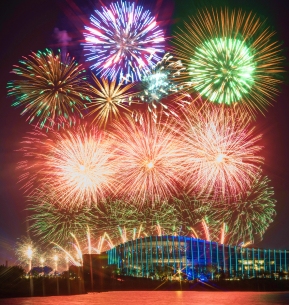
Fireworks
Fireworks festivals held throughout Japan number nearly 200.
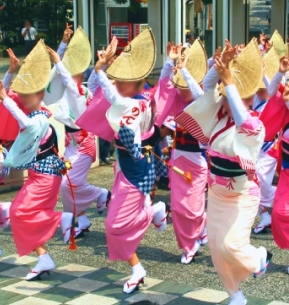
Awa Odori
A Bon dance festival originating in Tokushima Prefecture. One of
Japan's three major Bon dances.
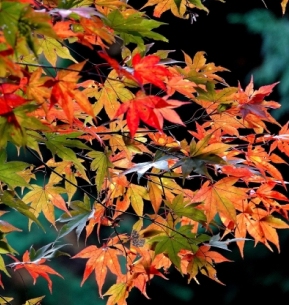
Autumn Leaves
The phenomenon where deciduous broad-leaved trees change color
before shedding their leaves.
Tourist Attractions
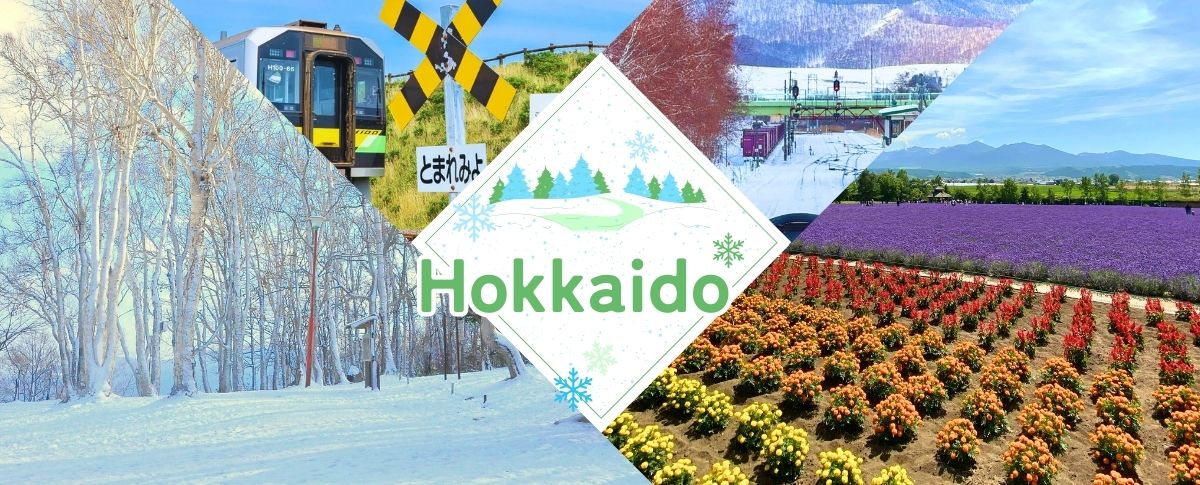
Hokkaido is Japan's second largest island, with an area approximately twice that of Kyushu and a
population of about 5.7 million.
Hokkaido is also a treasure trove of hot springs. In eastern Hokkaido, there is the Shiretoko-Mashu-Akan volcanic belt from Shiretoko to Akan; in the central region, the Daisetsu volcanic belt including the Daisetsu and Tokachi mountain ranges; in central Hokkaido, the Noboribetsu-Toya-Shakotan volcanic belt from Noboribetsu to the Shakotan Peninsula; and in southern Hokkaido, the Komagatake volcanic belt from Komagatake to Hakodate. Hot spring resorts with different water qualities are scattered along these volcanic belts.
Hokkaido is also a gourmet paradise. In addition to the bounty of the sea from the Sea of Japan, Pacific Ocean, and Sea of Okhotsk, you can enjoy seasonal mountain delicacies from spring to autumn that are different from those on Honshu.
Hokkaido is also a treasure trove of hot springs. In eastern Hokkaido, there is the Shiretoko-Mashu-Akan volcanic belt from Shiretoko to Akan; in the central region, the Daisetsu volcanic belt including the Daisetsu and Tokachi mountain ranges; in central Hokkaido, the Noboribetsu-Toya-Shakotan volcanic belt from Noboribetsu to the Shakotan Peninsula; and in southern Hokkaido, the Komagatake volcanic belt from Komagatake to Hakodate. Hot spring resorts with different water qualities are scattered along these volcanic belts.
Hokkaido is also a gourmet paradise. In addition to the bounty of the sea from the Sea of Japan, Pacific Ocean, and Sea of Okhotsk, you can enjoy seasonal mountain delicacies from spring to autumn that are different from those on Honshu.
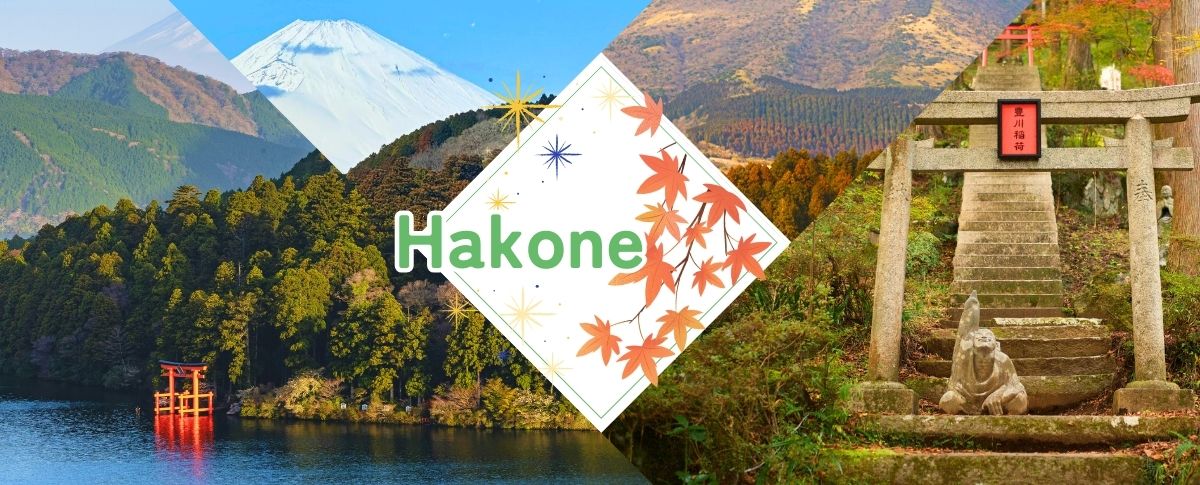
A popular hot spring resort in the Kanto region, less than an hour from Tokyo.
The seventeen hot spring areas each have different water qualities and effects, and have been healing many literary figures since ancient times. It's also a popular area you'll want to visit again and again, with drives through the rich nature around Lake Ashi and the Hakone mountains, and tours of the many art museums.
The seventeen hot spring areas each have different water qualities and effects, and have been healing many literary figures since ancient times. It's also a popular area you'll want to visit again and again, with drives through the rich nature around Lake Ashi and the Hakone mountains, and tours of the many art museums.
Recommended Tourist Spot: Owakudani
Owakudani is a representative viewing spot of Hakone, alongside Lake Ashi. You can enjoy views of the
majestic Mount Fuji with the Hakone mountains, and fumaroles that tell of volcanic activity from 400,000
years ago. At the Owakudani Visitor Center, hard-boiled eggs made using geothermal heat are popular. The
sulfur and iron in the hot spring water bind to the eggshells, turning them black, which is why they're
called "black eggs" (kuro-tamago). It's said that eating one black egg adds seven years to your life,
and many tourists purchase them as souvenirs.
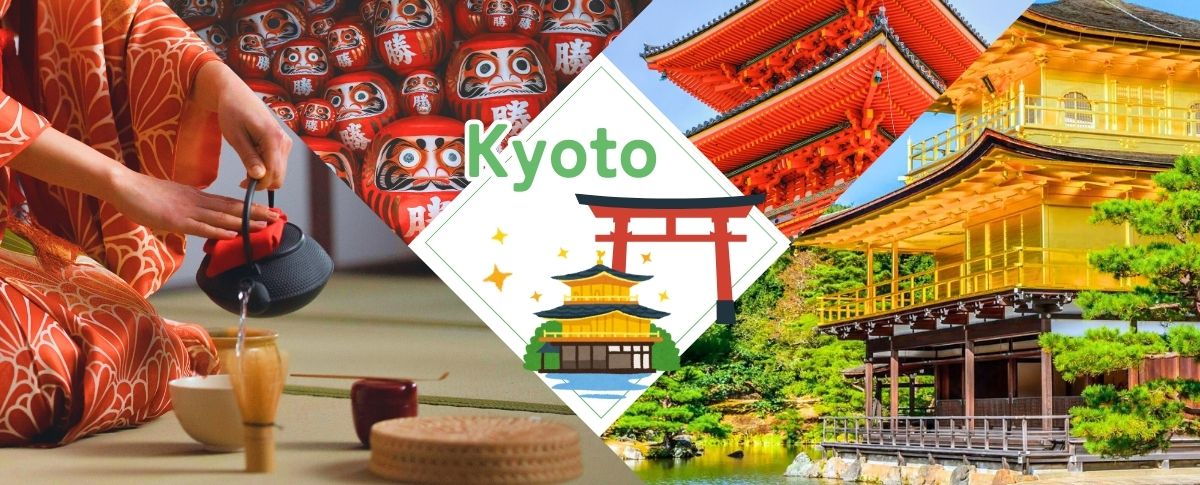
Kyoto (also called "miyako," meaning capital) is a historic city in Japan. In 794, it was established as
the capital Heian-kyo, becoming the political and cultural center of Japan.
Located roughly in the center of the Japanese archipelago, Kyoto Prefecture has an area of 4,613.21 square kilometers. This represents 1.2% of the national land area, ranking 31st among the 47 prefectures.
Located roughly in the center of the Japanese archipelago, Kyoto Prefecture has an area of 4,613.21 square kilometers. This represents 1.2% of the national land area, ranking 31st among the 47 prefectures.
Popular Kyoto Attractions
Kinkaku-ji (Golden Pavilion), Sanjusangendo, Kiyomizu-dera, Ginkaku-ji (Silver Pavilion), Nijo Castle,
Teradaya, and more
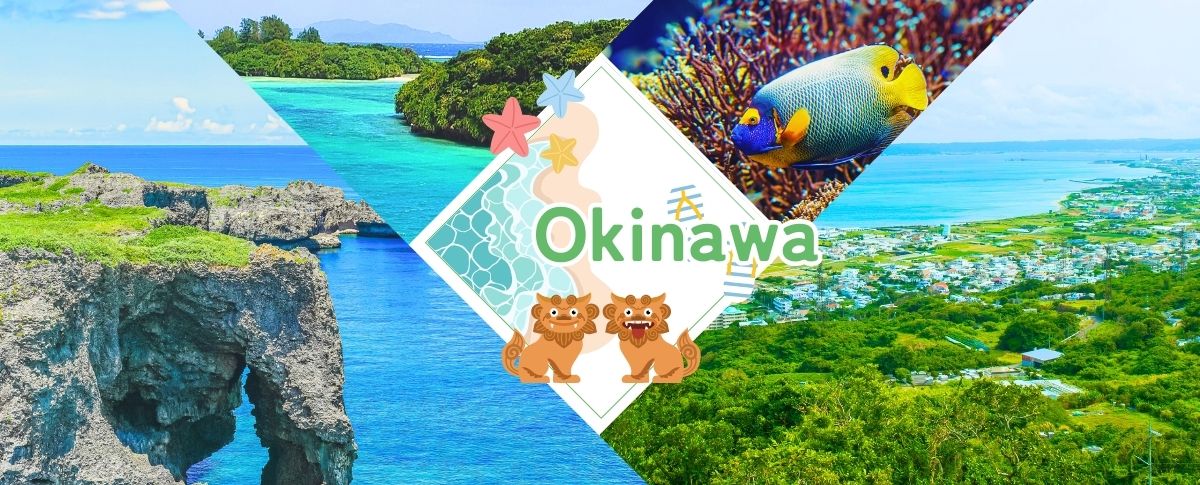
A region located in the south of the Japanese archipelago, occupying the Ryukyu Islands within the Nansei
Islands.
Among the Nansei Islands, Yakushima, Tanegashima, the Tokara Islands, and the Amami Islands belong to Kagoshima Prefecture. Further south, it includes the Daito Islands and Senkaku Islands. The climate is mostly subtropical, with some islands like Miyako, Tarama, Ishigaki, Iriomote, Yonaguni, Hateruma, and Minami Daito having an average temperature of 18°C or higher in the coldest month, making them tropical.
Among the Nansei Islands, Yakushima, Tanegashima, the Tokara Islands, and the Amami Islands belong to Kagoshima Prefecture. Further south, it includes the Daito Islands and Senkaku Islands. The climate is mostly subtropical, with some islands like Miyako, Tarama, Ishigaki, Iriomote, Yonaguni, Hateruma, and Minami Daito having an average temperature of 18°C or higher in the coldest month, making them tropical.
Japanese Cuisine
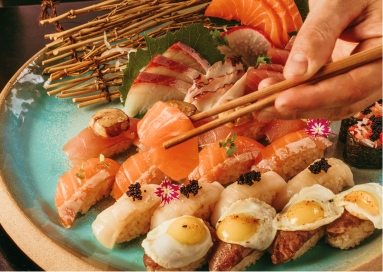
Sushi
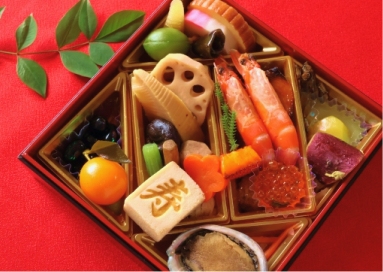
Japanese Cuisine
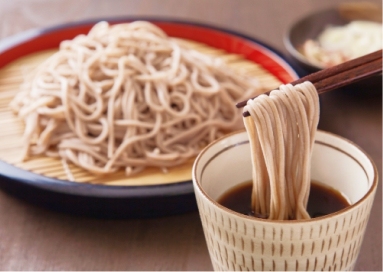
Soba
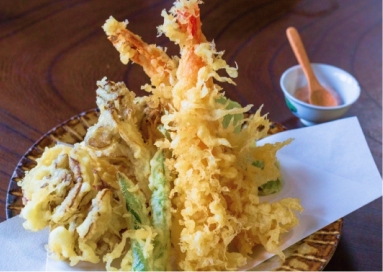
Tempura
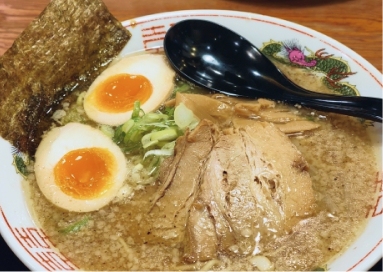
Ramen
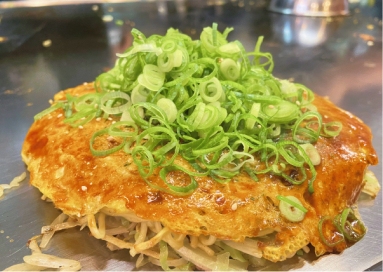
Okonomiyaki